


McKenzie Mastery: A year-round clear-water fishery heaven. Fish the precise hatches with an expert who knows every seasonal shift.
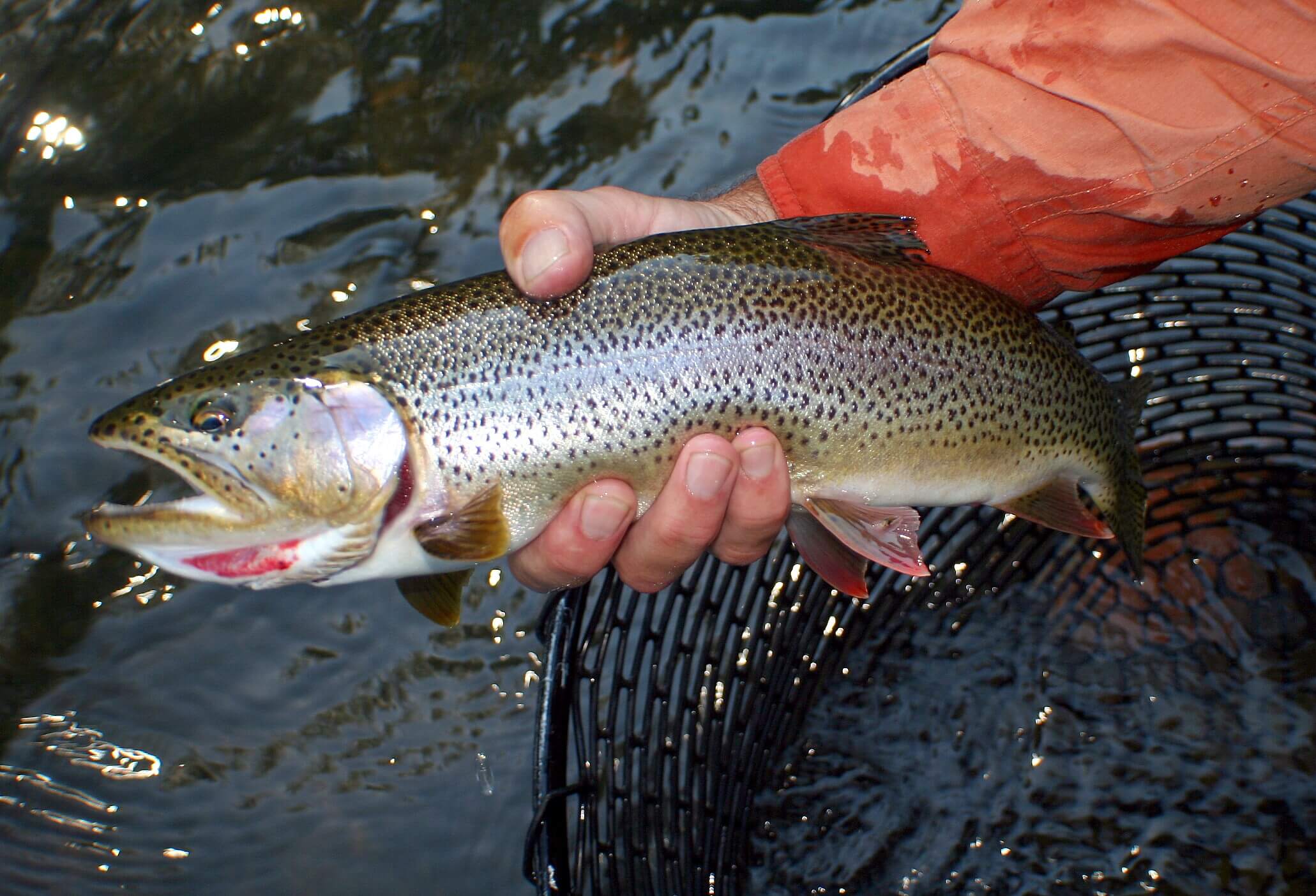
The famous McKenzie River is a clear-water jewel that flows west out of Oregon’s Cascade Mountains to meet the Willamette River near Eugene, Track Town USA.
In Western Oregon we are blessed with a temperate climate year-round. Barring the immediate effects of a winter or spring rainstorm, rainbow and cutthroat trout are available to be caught every single month of the year.
In a typical year, my trout guiding begins on McKenzie River in March. Air temperatures throughout the fishing day usually range from the mid 40’s to the mid 50’s. The water flows are high compared to those of late spring and summer, but if the water is clear fish can be caught. And . . . it is unlikely that you will see another angler.
Nymph fishing is the most productive method through most of each winter and early spring day on the McKenzie. Midges and minute Baetis mayflies can offer the dry fly angler a chance to fish floating patterns during an unpredictable, brief window each day. During these hatches, the McKenzie River fly patterns may need to be quite exacting, and expertly presented.
As the winter progresses and the river temperature flirts with 47 or 48 degrees the famous McKenzie River March Brown mayfly hatch starts at the warmest part of the day, usually mid to late afternoon. March Browns will predominate most of the dry fly action March and April.
When the March Browns come on strong our fishing guides may suggest splitting the fishing day between the McKenzie and Willamette River. The Willamette below the McKenzie provides some secluded, productive trout fishing in the spring. Many of our clients like the two-river experience for a variety of scenery and fishing experience.
Caddisflies and Light Cahill-type mayflies predominate the surface as the March Browns wane. But the astute, skilled angler will rely on nymphs most of the fishing day.
The native rainbow trout and hatchery stocks of McKenzie River are abundant and willing. There’s a healthy populations of native cutthroat trout, too.
My McKenzie River fly fishing guide trips begin in March, dependent on weather and river levels. If the water is warm enough, early March will see the beginning of the mid-day March Brown mayfly hatch. Rising fish will take a dry or cripple pattern with consistency. When the McKenzie River trout are not rising, a well-presented deep nymph will produce some of the year’s largest trout from March thru April.
As the water continues to warm on the McKenzie River into May thru July, surface fishing with dry flies and soft hackle patterns is consistent.
Click on the image to see more photos


Santiam Trout: Oregon's low-pressure, high-reward trout fishery. Enjoy effortless drifts on clear, cool water with virtually zero competition.
Winter Bounty. Nestucca's reliable runs hold generous numbers of hatchery and native steelhead. Fish with the expert who maximizes coverage during the cold season
The World's Best Freshwater Game Fish. Book your guided trip on the Rogue. Oregon's unmatched river for consistent, high-yield Steelhead fly fishing.